Betting Markets Will Cause The Death of Democracy: a rational analysis of informed trading
Truth Social (vom 🤮) just announced the launch of what they’re calling Truth PSI, an exclusive tier for high frequency trading firms, that gives them immediate access to Truth Social’s “most market-moving posts”; if Trump announces we’re going to war with Brazil, it’ll give those high frequency traders time to buy shares of coffee futures before prices balloon. This is one of those things that’s so obviously foul that it’s hard to imagine how it could be legal. There’s also been a LOT of reporting on people with inside information placing bets on these prediction markets.
Ever since completing school, I’ve been free to pursue some projects that reflect my current interests. Prediction markets such as Kalshi and Polymarket have skyrocketed to popularity, entirely because they let anyone bet on anything. Seriously, it’s like the wild west. Call it fascination, morbid curiosity, or a slow motion train wreck, but I haven’t been able to stop thinking about prediction markets. While fascinating, they are (in my opinion) one of the most corrosive innovations of the last 10 years.
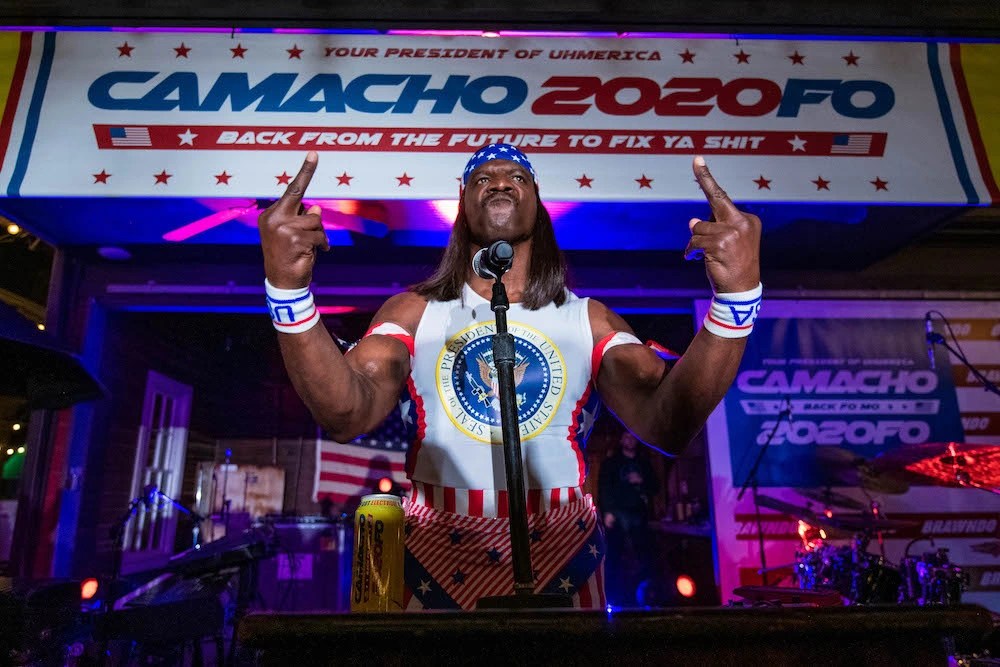
It was with this in mind that I started thinking about how to identify people who are trading with privileged information. First, a bit about terminology: when I say insider, or informed trading, I’m referring to when a person has information about some future event that few to nobody else has, and they use that information to place winning bets, usually on a market of some kind. Insider trading has a specific technical definition, whereas informed trading is a bit more generic. Boxing and sumo wrestling are the two sports that leap to mind for me, but the concept can apply to anything from weather predictions to the price of tea in China. Polymarket uses the term “event” as a category that describes some general thing that will happen, such as “Presidential Election Winner 2028”. Associated with that event, there are a bunch of “markets” corresponding to each of the people who might win, such as “Dwayne Elizando Mountain Dew Camacho”.
I’ve never really been a gambler, so I’ve mostly been unaffected by the allure of mobile betting apps like FanDuel and DraftKings, and I’ve been to exactly one horse track, once; I placed a bet, and promptly lost $5. I do have a certain affinity with Ada Lovelace, in that I would love to create a mathematical model to predict the outcome of horse races, but while she was driven to lose a couple small fortunes, I’ve not been able to bring myself to wade into the treacherous waters of gambling. Maybe I just don’t have the gambling bug. That’s not to say that other people don’t have that bug, though, and there’s very little that’s more enticing than the idea of free money from a sure bet.
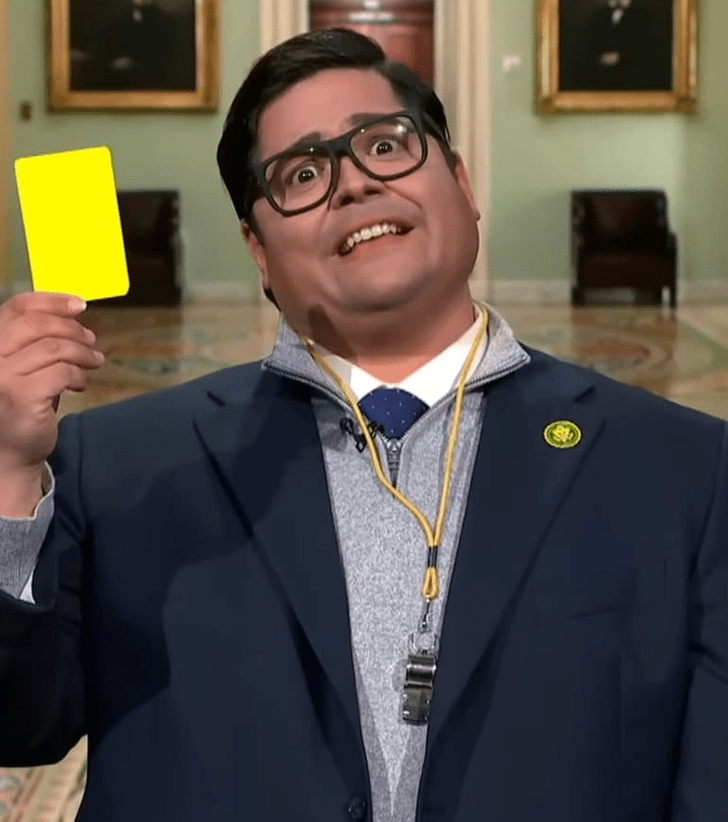
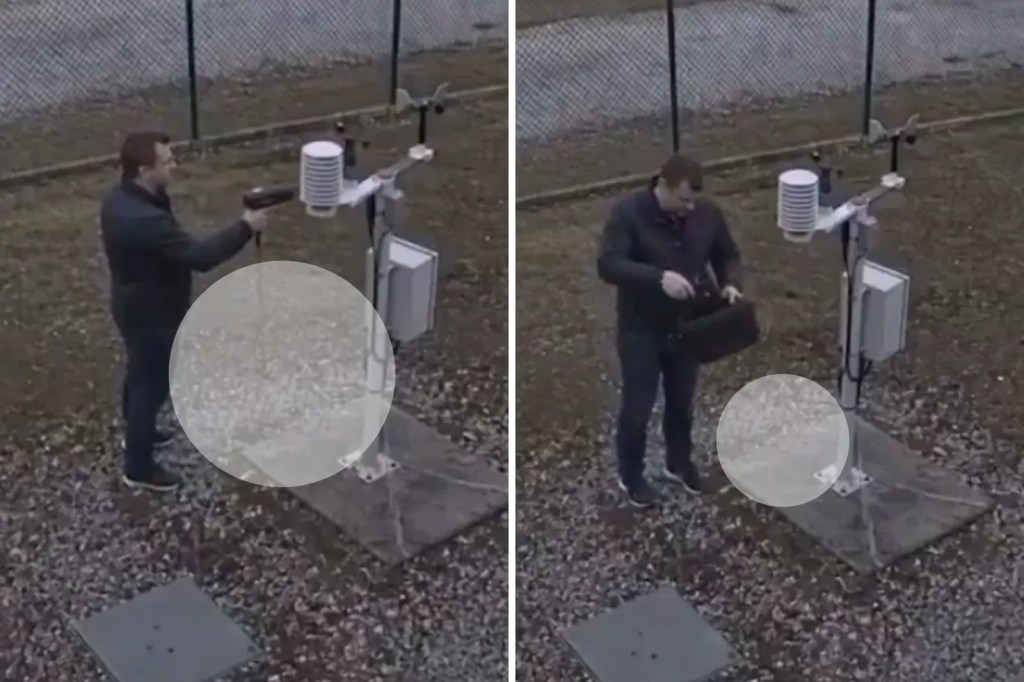
My current favorites are George Santos betting on Kalshi that he wouldn’t attend, but announcing to God and X (the everything app) that he was going to be attending the state of the union address in January, and a guy in France who “bet” that a certain weather station at Charles de Gaulle Airport would hit 18 degrees C. In the former case, Santos was conspicuously absent from the SOTU, claiming “Watching SOTU from an airport tv was not part of the plan! FML”, which did nothing to prevent Kalshi from flagging his activity, seizing his account, and alerting the Commodity Futures Trading Commission (CFTC) and the Department of Justice. He’s now being investigated for wrongdoing. In the latter case, the unidentified suspect produced what looks like a hair dryer, pointed it at the thermometer for a while, then left. From a bet of $119 and change, he netted $21,398.
In the grand scheme of things, these two seem like mostly harmless pranks, where the greatest injury done is to infrastructure and people’s bank accounts. There are bets with more insidious and corrosive effects, however. If anyone can gamble on anything, there are some bets that lend themselves to manipulation.
The Times of Israel military correspondent, Emanuel Fabian, reported that an Iranian missile blew up in central Israel. He immediately started receiving coercive messages from anonymous accounts encouraging him to change his article to say that the missile was intercepted, and the explosion was just debris touching down. It turns out that many people had collectively wagered over $14 million on Polymarket that Iranian missiles would strike Israeli soil by March 10, 2026.
Fabian was even contacted by a journalist colleague, who claimed to be reaching out “for a friend” to ask that the story be changed, but claimed no knowledge of the situation. When Fabian explained why everyone wanted him to change his story, the friend stopped pestering him.
It’s not clear if that colleague was telling the truth, but it’s not hard to imagine that someone in a position to literally make news would enrich themselves by placing bets on what they’re going to write. Journalism is how we stay informed about what’s going on around the world, and when trust in that source of truth is degraded, it becomes much more difficult to tell what’s actually happening, and that trust closely follows the trust we have in democratic institutions.
The thing about informed trading is that it’s a known unknown. It’s tricky to catch informed traders from a legal standpoint. How do you prove what’s going on inside someone’s head? Are they leveraging private information to make money, or are they just lucky? I intend this to be the first part of a multipart series where I will be using statistical methods, including machine learning, to identify accounts that are trading with insider information, and the markets that they’re betting on.
Follow along for Part 2!

Something went wrong. Please refresh the page and/or try again.

